Arts and Culture of Costa Rica

Costa Rican culture is in many ways a reflection of its racial diversity. Along with the influences of indigenous Costa Rican tribes, Costa Rican’s rich culture mixes the Catholic religion, customs from places as diverse as Spain, Africa and Asia. Costa Rica is considered as the place where the Mesoamerican and South American native cultures met. As influenced both by the Mesoamerican and South American native cultures, the Arts and culture of Costa Rica are diverse. Culture of the Northwest parts of the country is greatly influenced by Nahuatl culture. Nahuatl is a language or group of languages of the Uto-Aztecan language family. On the other hand, the arts and culture of central and southern parts of Costa Rica are influenced by Chibcha. Chibcha is also known as Muisca. Muisca people are a complex indigenous civilization of South America and the present-day Colombian region.
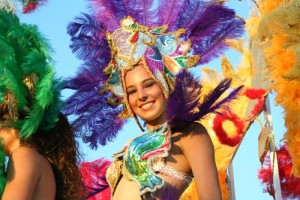
Costa Rican music is rather diverse and appeals to many different groups. Music is an integral part of most Latin American cultures and Costa Rica is no exception. Costa Rica has adopted music from many nations from all around the world so Costa Rican popular music genres include:
-
 Calypso
- Salsa
- Merengue
- Cumbia
- Tex-Mex
- Disco
- American and British rock and roll
- Pop
- Soca

Among the senior citizens traditional Latin music such as Meringue, Salsa and Soca are very popular. On the other hand, Reggaeton, a music genre is popular among the young people and this music has its roots in Latin and Caribbean music and combines Latino rhythms with Jamaican Reggae and dance hall. This new genre distinguishes Young generation’s music preferences from earlier generation’s music or traditional music. As the east side of Costa Rica is predominant by the Afrocostarricense population, the Afro-Caribbean music like Reggae, Soca, Calypso and Rumba greatly influence that part of the country. Contemporary music genres such as Rock, metal, Hard Rock and alternative are also popular in Costa Rica. Some folk groups recording and performing the vanishing heritage of Caribbean calypso of Costa Rica, labor songs and Spanish-style peasant ballads. American, Brazilian, and Cuban-influenced jazz combos have a small but loyal following.
 Costa Rica has a very rich music and dance culture. Dance is an indispensable part in the life of every Costa Rican. Salsa is the most common dance in Costa Rica. Almost each and every Costa Rican, regardless of their age, social status and religion, loves to dance. Every nights, specially during weekends people gather to popular dance hall or disco. Nearly every party will involve dancing. Folk dance is quite popular in Costa Rica. Most common folk dances include Cabillito Nicoyano, El Torito, and Punto Guanacasteco.
At local Theater you can enjoy a day of music or dance. The National Theater is an architectural treasure. You can also enjoy Photography or painting exhibition at local galleries. In San Jose and all around the country there are many museums to visit and know about the art and culture of Costa Rica. National Museum features an outstanding collection of pre-Columbian artifacts, some dating from 12,000 years ago. All of Costa Rica’s history and historical art are represented here.
 Though Costa Rica is noted more for its natural beauty and Eco-tourism than for its culture, Costa Rica has it’s unique cultural flavor sometimes heavily influenced by Spanish culture. Costa Ricans, also known as “Ticos,” are famous for being very friendly and they would like to keep this reputation. Ticos are extremely friendly and welcoming people and will do anything to leave a good impression on you. Costa Rica has a reputation as one of the most stable, prosperous, and least corrupt among the Latin American countries.
The term “Pura Vida”, or pure life, is a phrase that really personifies the Costa Rican (Tico) way of living. Spanish is the official language and spoken throughout the country. English, Creole, and Indian languages are spoken as well. Costa Ricans consider themselves “cultured” and polite.